
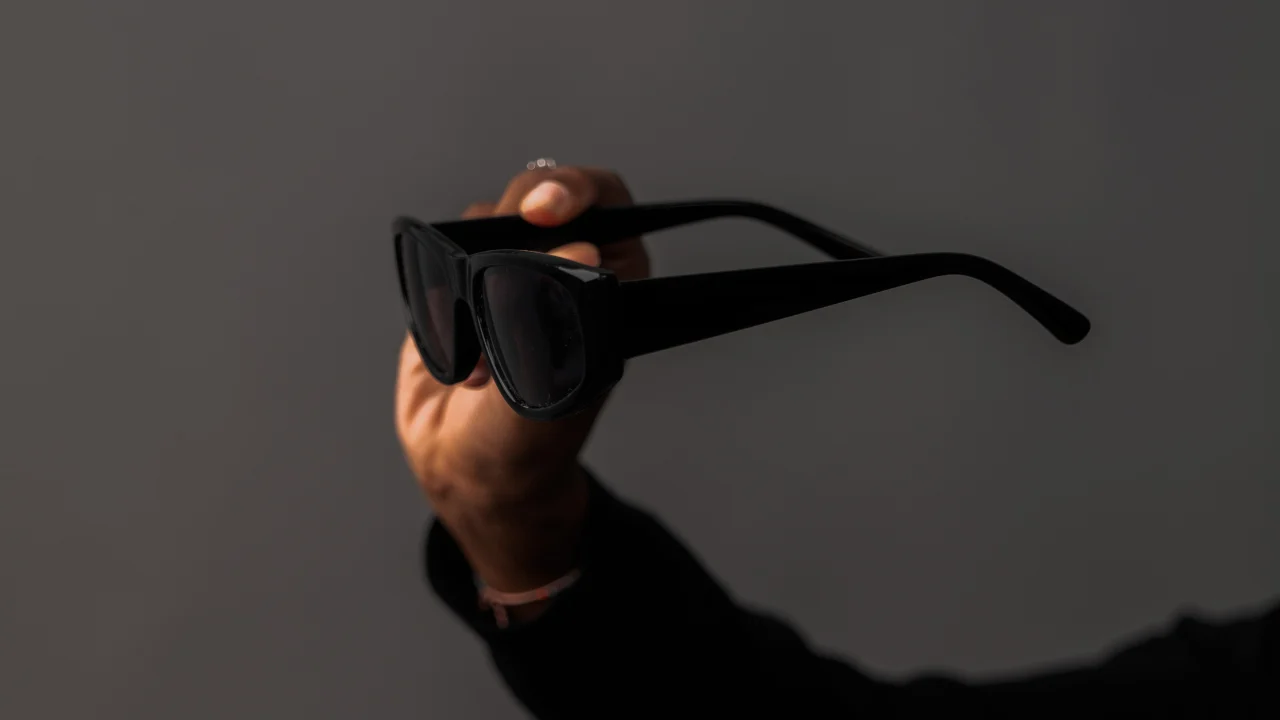
AI Glasses and Privacy: Are Our Laws Keeping Up?
Published on August 24, 2026 by Emily Katheklakis and Jackson Gilbert
The rapid rise of artificial intelligence is changing the way we live, work and communicate. One of the latest developments is the emergence of AI-powered smart glasses, which allow users to record audio and video, identify people and objects, translate conversations in real time and access information almost instantly. While these technologies promise convenience and innovation, they also raise they also raise significant privacy concerns, as indicated in this recent news article. By making surveillance far less visible, these devices may enable recording without bystanders realising it and may reduce the extent to which individuals can control information about themselves.
These concerns have taken on added importance following the introduction of Australia’s new statutory tort for serious invasions of privacy, which commenced on 10 June 2025 as part of amendments to the Privacy Act 1988 (Cth). The new cause of action gives individuals the ability to bring court proceedings where their privacy has been seriously invaded.
The Growing Presence of AI Glasses
Modern AI smart glasses are far more sophisticated than traditional cameras or mobile phones. Some models can record video hands-free, process visual information in real time, recognise landmarks and respond to voice commands. Future developments may include more advanced facial recognition capabilities and expanded data collection functions.
The concern for many people is that these devices are often small, discreet and difficult to detect. Unlike a person obviously holding up a mobile phone to record, someone wearing smart glasses may be collecting images, video or audio without others realising it.
This raises an obvious question: what happens when an individual is recorded, monitored or identified by AI technology without their knowledge or consent?
A New Right to Sue for Serious Invasions of Privacy
Historically, Australian law has offered only fragmented protection for privacy. While there were laws dealing with surveillance devices, confidentiality, defamation and data protection, there was no broad, standalone right to sue for invasion of privacy.
That changed in June 2025 when the Commonwealth introduced a statutory tort for serious invasions of privacy. The new action applies where a person intentionally or recklessly invades another individual’s privacy by either:
- intruding upon their seclusion; or
- misusing information relating to them.
in circumstances where the individual had a reasonable expectation of privacy.
Importantly, the invasion must be serious and a court must be satisfied that the public interest in protecting the individual’s privacy outweighs any competing public interest.
The tort is not limited to large corporations or government agencies. Individuals may bring claims against other individuals as well as organisations where the statutory requirements are satisfied.
Could AI Glasses Give Rise to Claims?
Although the law is still developing, AI glasses provide several examples of conduct that could potentially give rise to privacy claims.
Imagine a person wearing AI glasses records someone inside a hospital waiting room, medical clinic or counselling service and subsequently publishes the footage online. A court could consider whether the recorded person had a reasonable expectation of privacy and whether publication of that footage amounted to a serious invasion of privacy.
Similarly, concerns may arise where AI technology is used to identify people, collect personal information or compile detailed profiles without their knowledge. Depending on the circumstances, such conduct could potentially constitute an intrusion upon seclusion or a misuse of private information.
Not every recording will be unlawful. Context will always matter. Recording activities in a public place may attract different considerations from recording someone in their home, a medical facility or another private setting. The courts will ultimately be required to determine where the boundaries lie.
Early Judicial Guidance on Invasion of Privacy
The new tort is already beginning to attract judicial attention. In Kurraba Group Pty Ltd & Anor v Williams [2025] NSWDC , one of the first published decisions dealing with the legislation, the District Court of New South Wales granted an urgent injunction after private wedding photographs were published online without consent. The Court found there was a serious question to be tried regarding an alleged invasion of privacy and granted injunctions restraining further publication.
While the case did not involve AI glasses, it suggests that courts may be prepared to intervene where private images are disseminated without consent in circumstances capable of causing significant harm.
AI Glasses Banned in Some Places
Courts in England, Wales and New York have announced a ban on AI glasses and will confiscate them on entry to the court buildings. Taking images or videos in court buildings, without official permission, is prohibited in the UK and can be prosecuted as contempt of court.
Earlier this year, the High Court in London rejected evidence from a witness after it emerged that he was secretly using smart glasses linked to his mobile phone during cross-examination to receive coaching – and lied about it.
Some restaurants, theatres and pubs in the UK have also taken steps to ban the glasses over privacy fears.
What Remedies Are Available?
Individuals who establish a serious invasion of privacy may seek a range of remedies, including damages, injunctions and orders requiring apologies or corrective action. Proceedings generally must be commenced by the earlier of one year of the individual becoming aware of the invasion and within three years of the invasion occurring, subject to statutory limited exceptions.
These remedies are significant because they provide a direct avenue for individuals to seek redress where privacy has been seriously compromised.
Looking Ahead
Technology often develops faster than the law. AI glasses are likely to become more common, more sophisticated and less noticeable in everyday life. As this occurs, questions about surveillance, consent and personal autonomy will become increasingly important.
The new statutory tort for serious invasions of privacy represents a significant development in Australia’s privacy law framework. While it remains to be seen whether the State and Federal Governments take any steps to restrict the use of AI glasses and how the courts will apply the legislation to emerging technologies such as AI glasses, the message is clear: privacy remains a protected interest, even in an age of rapidly advancing artificial intelligence.
For businesses developing or deploying AI technologies and for individuals using these devices, understanding privacy obligations is becoming just as important as understanding the technology itself.
Disclosure and important note: This article is based on our own legal research and thinking. Some of its content has been drafted with the assistance of artificial intelligence. The authors have checked and approved this article, including the AI generated content, for publication.
This article was published on 24th of August 2026 by Carroll & O’Dea Lawyers and is based on the relevant state of the law (legislation, regulations and case law) at that date for the jurisdiction in which it is published. Please note this article does not constitute legal advice. If you ever need legal advice or want to discuss a legal problem, please contact us to see if we can help. You can reach us on 1800 059 278 or via the Contact us page on our website. (www.codea.com.au). If you or a loved one has been injured, use our Personal injury Claim Check now.