Make good obligations and the meaning of ‘condition’ of a premises
Published on March 13, 2026 by Alex Collie and Matthew Rafferty
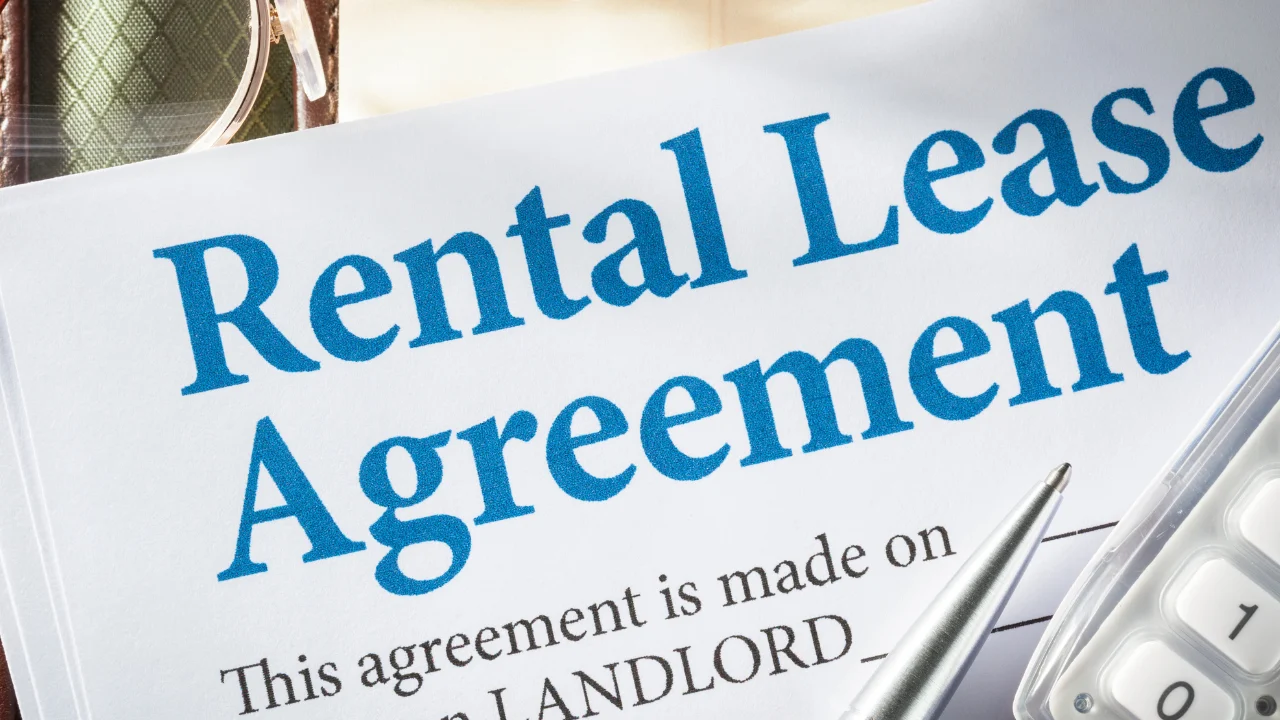
A common requirement of commercial or retail leases is the obligation of the tenant to ‘make good’ at the end of the lease, that is to return the leased premises to a specified state, usually the same state in which it was first handed over. Such terms will invariably include some reference to the ‘condition’ of the Premises. The exact meaning of ‘condition’ was a key consideration in a recent NSW Supreme Court decision relating to a Tenant’s make good obligations under a commercial lease.
In the case of Allied Pinnacle Pty Ltd v G R Mailman & Associates Pty Ltd [2026] NSWSC , the tenant (or more accurately, their subtenant) vacated the leased premises with substantial internal fit out works remaining. The critical provision of the lease in respect of the make good obligations was the requirement that the tenant:
‘…yield up the demised premises to the Lessor in the state of repair and condition as is specified in this clause and consistent with the condition of the demised premises at the commencement of this Lease.’
The owner’s view was that this requirement included the need to remove the extensive internal fitout of the premises installed by the tenant at the start of the lease. The tenant’s view was that this requirement was instead largely limited to a redecoration of the Premises to a clean and tidy appearance.
Prior to the end of the lease, the owner sent the tenant a quote for the make good works that the owner envisaged would be required by the lease. The tenant objected to this quote on the basis that involved more extensive works than the lease required based on its view of its obligations. The Tenant offered to pay an amount no greater than $100,000 in lieu of completing the make good works, which was in turn rejected by the owner as being insufficient to cover the costs of the works required under its interpretation of the make good obligations.
While the decision considered a number of factors, a key aspect of the decision was the interpretation of the word ‘condition’ within the make good obligation noted in the above excerpt of the lease. The owner contended that ‘condition’ should be construed as to refer to the ‘physical state or configuration of the premises’ and, given that the tenant’s fit out was not present at the commencement of the lease, its presence represented a different ‘condition’.
The tenant instead viewed ‘condition’ as referring to the ‘standard’ of the premises rather than its configuration, in particular noting that this was in keeping with the phrase ‘good repair and working conditions’ which appeared elsewhere in the clause. Ultimately, the Judge in this case agreed with the tenant’s interpretation and found that the tenant was not obliged to remove the internal fitout, albeit the tenant was also found to have not sufficiently undertaken their redecoration obligations in respect of painting external surfaces of the premises.
Interestingly, the tenant raised an alternative argument that if it had failed in its initial argument, that the owner should be prevented from claiming the cost of the make good on the basis of unconscionability (specifically in reference to the Australian Consumer Law) as the owner had not itself removed the fitout which was being used by a subsequent tenant. In its view, claiming for make good would amount to ‘double dipping’ and ‘offensive to community standards’. While this second argument was not required, Muston J did note that this argument would not have succeeded as the Tenant did not provide sufficient evidence to show the owner’s intention (or owner intended) to retain the fit out, nor did it prove the owner gained any benefit from doing so.
Key Considerations
While it may be tempting to see this case as a simple verdict on the definition of the word ‘condition’ in leases, the more pertinent lesson here is the danger of relying on broad simple language to cover what may be extensive and specific requirements, especially where it relates to physical works. Reliance on ‘one-size-fits-all’ legal documents can be problematic when a party has more particular expectations, and it often pays to have a more considered and thoughtful approach to its legal documentation.
This article was published on 13 March, 2026 by Carroll & O’Dea Lawyers and is based on the relevant state of the law (legislation, regulations and case law) at that date for the jurisdiction in which it is published. Please note this article does not constitute legal advice. If you ever need legal advice or want to discuss a legal problem, please contact us to see if we can help. You can reach us on 1800 637 716 or via the Contact us page on our website. (www.codea.com.au).