
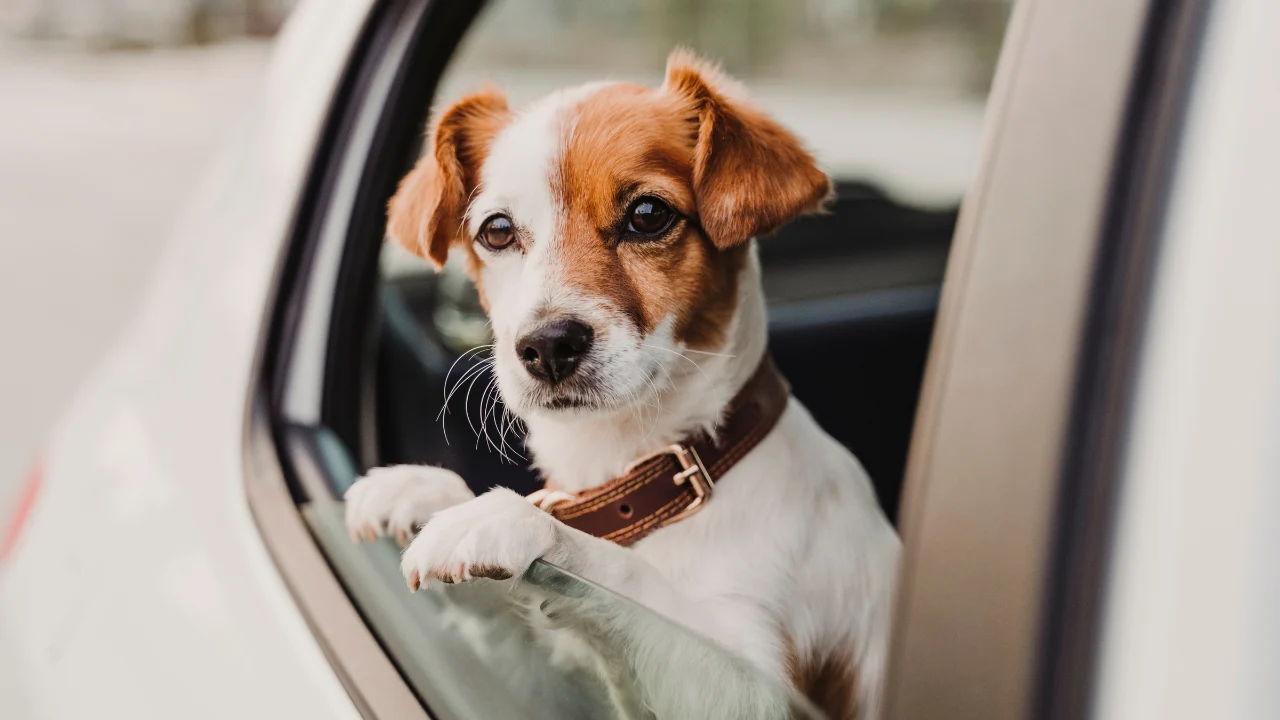
Road Series New South Wales – the road rule that bites back: driving with dogs
Published on December 22, 2025 by Kate Latham
If you’ve ever driven with your furry friend on your lap or letting their ears flap in the wind from the passenger seat, you might be risking more than just a slobbery window. In New South Wales, specific road rules and animal welfare laws apply when transporting pets, particularly dogs, and failing to follow them can result in hefty fines, demerit points, or worse, serious injury to you or your pet. This article explains what the law says, where dogs can legally sit, and what precautions drivers must take to stay on the right side of the road and the RSPCA.
What the law says
There are two main sources of law that regulate the transport of dogs in vehicles in NSW:
Under Regulation 297(1) of the Road Rules, a driver must have proper control of their vehicle at all times. This general obligation becomes particularly relevant when a dog is in the car, especially if it’s unrestrained. Driving with a dog on your lap, for example, is specifically prohibited and carries a $562 fine and loss of three demerit points.
While there is no rule banning a dog from sitting in the front passenger seat, penalties can still apply if their presence distracts the driver or causes them to lose control.
What about the back of a ute?
Transporting dogs on the back of utes, trucks, or trailers is subject to animal welfare laws. Section 7 of the Prevention of Cruelty to Animals Act 1979 (NSW) requires that animals be protected from unnecessary harm and that appropriate precautions are taken during transport.
Specifically, dogs must be:
- Secured using a tether or cage to prevent them from falling or jumping out
- Provided with shelter from direct sunlight and extreme weather
Failing to properly restrain a dog on the back of a vehicle may result in animal cruelty charges, with fines of up to $5,500 and/or six months’ imprisonment. If the act is considered aggravated cruelty, the penalties are even more serious.
Why these rules exist
There are sound reasons for these rules, grounded in both safety and animal welfare:
- Preventing distractions
An unrestrained dog can suddenly jump into the driver’s lap, interfere with steering, or obscure visibility. These distractions are a known cause of serious accidents and are treated similarly to using a mobile phone behind the wheel.
- Protecting the animal
An unrestrained dog in the back of a moving vehicle — or even inside it — is vulnerable in the event of sudden braking, a crash, or even just a sharp turn. Proper restraint minimises the risk of injury or ejection from the vehicle.
- Safeguarding others
A loose dog inside a car becomes a projectile in the event of a crash. This can endanger not only the animal but also passengers, the driver, or other road users.
What’s considered ‘restrained’?
While there is no legal requirement in NSW to use a restraint or harness when a dog is inside a vehicle (like the front or back seat), Transport for NSW strongly recommends the use of:
- Pet seatbelt harnesses,
- Carriers, or
- Pet barriers for wagons or SUVs.
These tools help to reduce distractions and prevent injuries. When in the back of a ute or trailer, however, restraint is mandatory. This means either:
- A properly fitted tether that allows movement but prevents falling, or
- A secure cage or enclosure that provides both containment and shelter.
Enforcement – are people actually fined?
Yes. Driving with a dog on your lap is one of the more common enforcement actions under the “proper control of vehicle” rule. Highway patrol and local police routinely issue infringement notices when they observe dogs on laps, standing across gear sticks, or climbing over dashboards.
In regional areas, where dogs are more frequently transported on utes, animal welfare inspectors and police regularly patrol for breaches, particularly after reports of animals being injured or falling from vehicles.
Challenging the fine?
If a driver receives a penalty notice for driving with a dog in their lap or causing distraction, they can elect to have the matter heard in court. However, unless there is clear evidence contradicting the officer’s observation such as dashcam footage it can be difficult to contest. The offence does not require that an accident occur, only that the driver was not maintaining proper control.
For animal welfare offences (such as failing to restrain a dog on a ute), the RSPCA or police may issue a formal charge under the Prevention of Cruelty to Animals Act, and these matters are typically prosecuted in the Local Court.
What should drivers do?
The key is to plan and form safe transport habits:
- Never drive with a dog on your lap
- Use restraints, carriers, or pet barriers when inside the vehicle
- Ensure dogs on utes are secured with a tether or placed in a cage
- Make sure dogs on trays or trailers are shaded and safe from the elements
- Be mindful that even in hot weather, winding the window down for your dog is not a substitute for a restraint
Transporting your dog safely isn’t just a matter of avoiding fines, it could save a life. Whether you’re popping down to the shops or heading out bush, your dog’s safety and your legal obligations travel with you. While many drivers think nothing of letting their dog hang out the window or ride unrestrained in the back, the legal and physical risks are real and expensive. So next time your dog jumps in for the ride, ask yourself: are they buckled up?
If you found this article helpful, stay tuned for more in our NSW Road Rules series, where we unpack the little-known laws that could cost you (and your pup) big.
This article was published on 19 December 2025 by Carroll & O’Dea Lawyers and is based on the relevant state of the law (legislation, regulations and case law) at that date for the jurisdiction in which it is published. Please note this article does not constitute legal advice. If you ever need legal advice or want to discuss a legal problem, please contact us to see if we can help. You can reach us on 1800 059 278 or via the Contact us page on our website. If you or a loved one has been injured, use our Personal Injury Claim Check now.